Canada is home to many highly ranked and well-recognized universities worldwide. Learn more about the universities we can help you with in Canada.
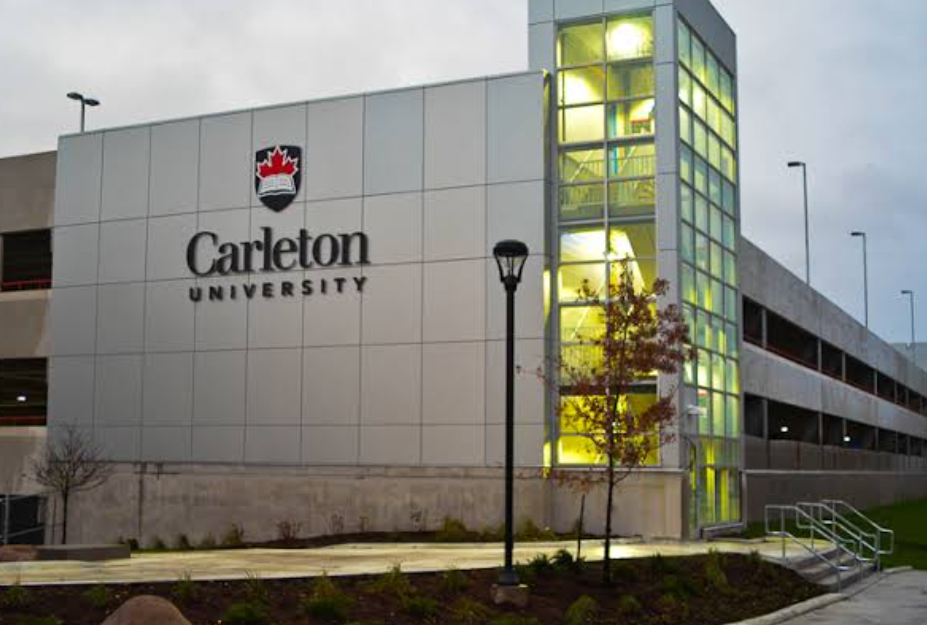
Carleton University


Welcome to the gateway of opportunities! Canada is renowned globally for its exceptional education system, diverse cultural landscape, and warm, welcoming environment, making it a top destination for international students from around the world. With world-class universities, a variety of programs, and an inclusive atmosphere, Canada offers an unparalleled academic experience. Whether you’re seeking cutting-edge research opportunities, hands-on learning, or a multicultural setting to broaden your horizons, Canada is the place where your academic dreams can flourish. Join us in exploring how studying in Canada can transform your future and set you on the path to success.
Canada is home to many highly ranked and well-recognized universities worldwide. Learn more about the universities we can help you with in Canada.
Tuition fees depend on the course, duration and other factors. Universities update their tuition fees each year.
| Field | Fees/year |
|---|---|
| Humanities / Social Sciences | $18,000 – $28,000 |
| Business & Management | $22,000 – $35,000 |
| Computer Science / IT | $25,000 – $40,000 |
| Engineering | $28,000 – $45,000 |
| Nursing | $30,000 – $50,000 |
Most Canadian universities assess a student’s academic history and English or French language proficiency to determine eligibility for admission. However, requirements can vary depending on the institution, degree level, province, and specific program. Based on the applicant’s profile, additional documents may be requested, such as a resume, statement of purpose, portfolio, letters of recommendation, or proof of work experience.
Undergraduate (Bachelor’s Programs)
Completion of 12 years of schooling or equivalent (high school diploma).
Strong grades in key subjects related to the chosen field.
Competitive universities may require an average of 70%–85% or higher in Grade 12.
Postgraduate (Master’s Programs)
A recognized bachelor’s degree in a related field (usually 4 years).
Minimum GPA requirement generally ranges between 2.7–3.3 on a 4.0 scale, depending on program competitiveness.
Some programs may require research proposal or work experience.
Most universities accept either English or French test scores, depending on the language of instruction.
IELTS Academic: 6.0–7.0 overall (no band less than 6.0)
TOEFL iBT: 80–100+
PTE Academic: 55–65+
Duolingo English Test: 105–125+
TEF Canada
TCF Canada
DALF / DELF
Health sciences, engineering, and business programs often require higher language scores.
Canada typically offers three admission intakes:
| Intake | Months | Notes |
|---|---|---|
| Fall | September | Main intake with the most programs available |
| Winter | January | Second most popular intake |
| Spring/Summer | May | Limited programs (mostly diplomas or certificates) |
There are plenty of courses to choose from in Canada. A wide range of subjects is taught in most universities.
Software Developer IT Engineer
Biomedical Engineer Researcher
Agriculturist Agricultural Manager
Marketing Accountant
You must have a valid student visa to study in Canada. The type of visa you need depends on your program of study and the institution you plan to attend.
Our services don’t stop at academic orientation and university application. We help our students with all their administrative and travel procedures including:
There are a variety of entrance requirements you may need to complete in order to start studying as an international student. Depending on the level of education you intend to pursue, there are different academic requirements (including proof of English language proficiency) you must meet in order to study abroad. For instance, before enrolling for a degree, certain programmes will need you to have completed a foundation course. Entry requirements for institutes and universities might vary. Our team will be available to help you navigate this.
Our team is always here to help you!
The costs of attending a university or college in another country vary substantially. It is determined by the nature of your chosen program, the length of your stay, the distance covered, and the form of lifestyle you seek when you arrive. Be aware that some student visas require you to have a certain amount of funds available in your bank account when you arrive in your chosen country. It is best to review the immigration websites for the country you wish to study in or speak to one of our counsellors. Many students work part-time alongside their studies to support their living or socialising costs. However, there are restrictions on the hours you are allowed to work to ensure you do not lose your academic focus.
For students studying abroad, scholarships and bursaries are available. Availability and amount vary depending on the level of study and the organization. You must prove that you are qualified for outstanding academic achievements in order to be considered for competitive scholarships. In order to help international students pay for their studies abroad, governments and other organizations also offer scholarships and awards. For additional information on the many scholarships available in the course and university of your choice, contact our team of experts.
Your career opportunities will definitely benefit from your international learning, living, and networking experience. It is your chance of gaining a multitude of new skills, perspectives, and improved English language skills while also gaining work experience from the types of employers you want to work for.
The abilities and qualifications that employers and professional registration bodies seek will differ by country. Do some research and seek advice from the appropriate registration authorities in your home country if you wish to pursue a career in a sector with stringent admission requirements, such as teaching, engineering, accounting, or medicine.
Yes, some countries offer part-time jobs for international students.
We advise beginning your registration process a year in advance to allow for processing time and to be prepared for your abroad study. Keep in mind that different countries have varied starting times for the school year.
Don’t wait to start your journey to academic excellence and personal growth. Apply now to study Abroad and unlock a world of possibilities!